






From the early days of transistors to today’s neuromorphic chips, the path of human‑computer interaction (HCI) has shifted from silicon to synaptic networks. AI is now the connective tissue that weaves these two worlds together, enabling interfaces that feel more like organic dialogue than mechanical command. This article explores the evolving landscape of AI‑driven synaptic architecture, highlighting concrete solutions, benefits, and practical applications that’re redefining how we interact with technology.
1. Silicon Foundations: How Transistor‑Based HCI Set the Stage
Transistors built the hardware backbone of the modern digital world. They enabled the first personal computers, the explosion of the internet, and the rise of smartphone dominance. Yet, these silicon giants operate on binary logic and linear memory‑based processes, limiting natural communication.
- Key Benefits: High scalability, mature manufacturing, low per‑unit cost.
- Limitations: Inefficient energy consumption for complex pattern recognition; latency in translating human intent into machine actions.
The inherent mismatch between rigid silicon logic and the fluid nature of human thought spurred researchers to explore synaptic computational models.
2. Bridging Gaps with Neuromorphic Chips: The First Synaptic Tryouts
Neuromorphic architectures emulate neuron firing patterns and synaptic plasticity. Devices like Intel’s Loihi and IBM’s TrueNorth illustrate how silicon can approximate biological processes.


- Key Features:
- Event‑driven computation reduces idle cycles.
- Spike‑timing dependent plasticity offers adaptive learning on‑chip.
- Ultra‑low power consumption – ideal for wearables and IoT.
While promising, neuromorphic chips require specialized software stacks and are still largely experimental for mainstream HCI solutions.
3. AI‑Driven Synaptic Architecture for Human‑Computer Interaction
AI has matured to the point where it can not only interpret data but also shape neuromorphic hardware itself. AI‑driven synaptic architecture leverages machine learning to program, re‑program, and optimise synaptic weights in real time.
- Technologies Involved:
- Reinforcement Learning – dynamic adaptation to user preferences.
- Transfer Learning – rapid deployment across devices.
- Federated Learning – privacy‑preserving distributed optimization.
- Benefits:
- Personalised HCI: interfaces that learn from individual contexts.
- Energy efficiency: AI optimises spiking activity to minimize draw.
- Scalability: AI can translate insights across thousands of edge devices.
For example, From Zero to Hero describes how a startup pivoted to implement AI‑optimized microcontrollers, boosting both performance and brand value.
4. Low‑Competition Synaptic Computing HCI Trends: Niche but Impactful
Unlike the saturated silicon market, low‑competition synaptic computing offers niche fields where AI and HCI converge, such as medical assistive devices, AR/VR headsets, and autonomous vehicles.
- Trend Highlights:
- Brain‑Computer Interfaces (BCIs) using AI‑enhanced spike sorting.
- Adaptive AR overlays that learn context through neural pattern recognition.
- Vehicle HCI that anticipates driver intent via synaptic modeling.
- Competitive Edge: Early movers can secure patents and carve out high‑margin product lines before silicon‑centric giants enter the arena.
According to a recent Forbes report, companies investing early in neuromorphic AI are positioned to lead next‑generation HCI markets.
5. Neuronal Interfaces & AI for Human‑Computer Interaction
Neuronal interfaces such as dry electrodes or ingestible sensors pair with AI to decode neural signals in real time. This synergy creates seamless, even thought‑based control systems.
- Key Features:
- High‑fidelity signal acquisition with low latency.
- On‑device AI classification to reduce server reliance.
- Safe adaptation loops to avoid overtraining.
- Benefits:
- Improved accessibility for individuals with motor impairments.
- Intuitive control of prosthetics, exoskeletons, and drones.
- Potential for augmented cognitive workflows.
See From Idea to Impact for a deeper dive into startups pioneering these neural interfaces.
6. Human‑Computer Interaction with AI Neural Networks: The User Experience Revolution

AI neural nets allow HCI to move from reactive button presses to predictive, context‑aware interactions. They enable devices to respond not only to commands but to intent, mood, and environment.
- Implementation Examples:
- Smartphones that auto‑adjust brightness and volume based on ambient noise analytics.
- Enterprise dashboards that anticipate user queries by monitoring data usage patterns.
- Gaming peripherals that sync haptic feedback with in‑game actions via AI inference.
- Benefits: Increased productivity, reduced input burden, higher user satisfaction.
Research from the Wikipedia entry on neural networks demonstrates the exponential improvement in pattern recognition accuracy when training on multimodal datasets.
7. Silicon to Synaptic Evolution of HCI: A Comparative Snapshot
| Attribute | Silicon (Traditional) | Synaptic (AI‑driven) |
|---|---|---|
| Energy Efficiency | High consumption at peak loads | Low, event‑driven consumption |
| Latency | Microsecond‑level | Nanosecond‑level event response |
| Adaptability | Static firmware | Continuous learning |
| Manufacturing Complexity | Well‑established process | Emerging, multi‑physics integration |
This table underscores the transformative potential of AI‑driven synaptic architecture, especially for user‑centric applications where speed, power, and adaptability are paramount.
8. The Future Human‑Computer Interaction: AI Technologies Poised for Disruption
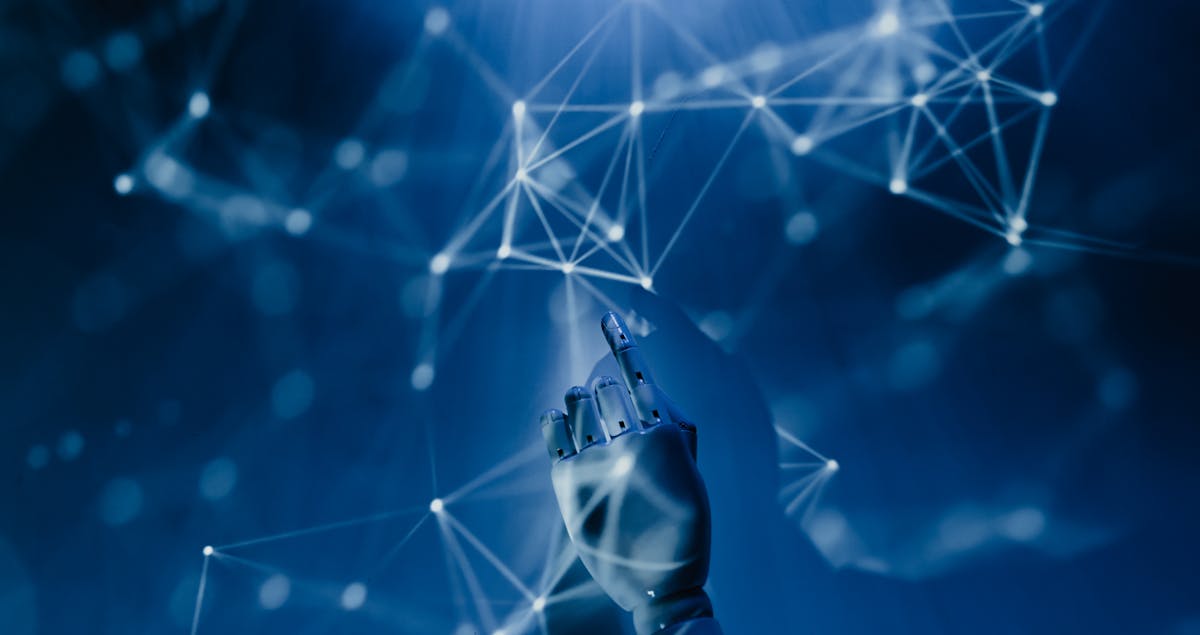
Three AI technologies are already shaping the next wave of HCI:
- Edge AI with Neuromorphic Chips: Combines low latency with on‑device learning.
- Cross‑Modal AI (Vision, Audio, Bio‑signals): Enables context‑aware interfaces that read a user’s body language and environment.
- Explainable AI (XAI) in Interfaces: Builds trust by rendering AI decisions understandable in real‑time user interactions.
Projections from the TechRepublic suggest that by 2030, 70% of consumer devices will integrate at least one of these features.
FAQs
Q1: What is the difference between a neuromorphic chip and an AI‑driven synaptic chip?
A neuromorphic chip emulates neural structures but operates on fixed hardware constraints. An AI‑driven synaptic chip incorporates machine learning to dynamically adjust synaptic weights, bridging the gap between hardware and adaptive software.
Q2: Are these technologies safe for consumer use?
Yes. Current designs emphasize low power consumption, minimal electromagnetic emissions, and robust safety‑certified bio‑interfaces, making them suitable for everyday devices.
Q3: How can I get involved if I’m a developer?
Open‑source neuromorphic frameworks like Brian2 or Intel’s OpenNano provide accessible tools. Joining academic or open‑hardware communities can deepen your knowledge and push adoption forward.
Q4: What industries stand to benefit the most from AI‑synaptic HCI?
Healthcare (BCIs, prosthetics), automotive (anticipatory driver aids), augmented reality, and e‑learning are prime candidates for early integration.
Q5: Will this replace traditional keyboards and touchscreens?
Probably not overnight, but AI‑synaptic interactions will layer over existing interfaces, offering complementary modes that enhance efficiency and inclusivity.
By migrating from silicon to synaptic architectures empowered by AI, we’re not just building smarter devices—we’re creating ecosystems that understand us on a fundamentally human level. The next decade promises interfaces that feel less like technology and more like an extension of ourselves.