





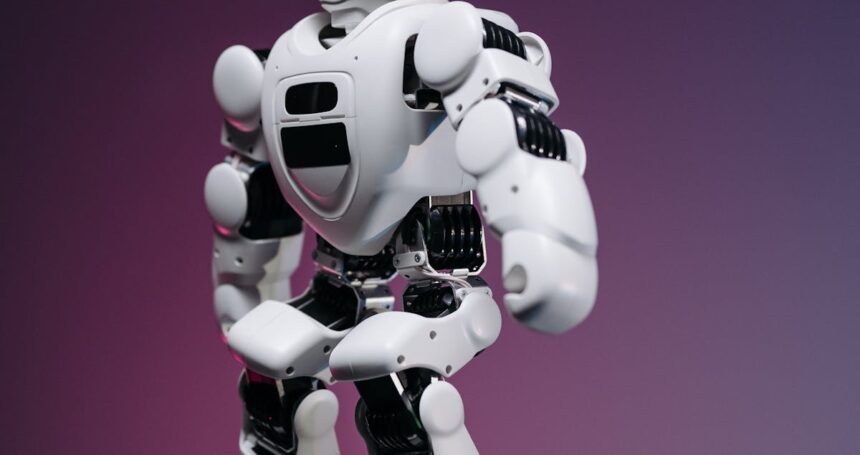
Every day, new technologies appear on the horizon that promise to reshape how we work, collaborate, and live. In 2025, seven breakthrough innovations stand out as the most transformative, redefining productivity, healthcare, and ethics alike. Below you’ll discover how these advances aren’t just buzz‑words—they’re the tools that will turn tomorrow’s possibilities into today’s realities.
1. AI‑Enabled Workflow Automation That Scales With Your Team
By late 2025, AI‑driven workflow platforms will automatically map tasks, allocate resources, and monitor progress in real time. Powered by natural‑language interfaces, they’ll read project briefs, generate timelines, and even flag bottlenecks before they become glaring issues.
- Key Benefits:
- Reduced manual data entry—cutting paperwork by up to 70%
- Dynamic scheduling that adapts to team bandwidth and unexpected delays
- Consistent compliance checks built into every step of a process
- Intuitive visual dashboards accessible from any device
For example, Next‑Gen Tech: 7 Breakthroughs That’re Shaping Our Future highlights how these platforms are being adopted in finance and manufacturing to accelerate deliverables while maintaining audit trails.
2. Deep Reinforcement Learning Finds New Frontiers in Product Design
Deep reinforcement learning (DRL) has transcended gaming and logistics; in 2025, it’s becoming the core of product‑innovation pipelines. By simulating countless scenarios, DRL models can discover design optimizations that human engineers might miss.


- Use Cases:
- Automotive: Optimizing chassis weight distribution for maximum fuel efficiency
- Architecture: Generating adaptive building facades that respond to wind and sun
- Healthcare: Tailoring prosthetic limb motions to individual patient gait patterns
According to research summarized on Wikipedia – Deep reinforcement learning, model‑based approaches now reduce design cycle times by over 40%.
3. AI‑Powered Personal Productivity Tools That Learn Your Style
Personal productivity suites now incorporate AI that observes habits, prioritises tasks, and suggests micro‑breaks to prevent burnout. These tools integrate seamlessly with calendars, email, and messaging platforms, offering context‑aware nudges.
- Features:
- Smart email triage: Automatically categorises and flags urgent messages
- Personalized focus sessions: Adapts Pomodoro intervals based on past engagement
- Cross‑app reminders: Syncs with fitness trackers to suggest optimal work‑break times
- Learning curves: Generates data‑driven reports to help you refine routines
Similar concepts have appeared in The Ultimate Stock Market Playbook: 10 Insider Moves for 2025, where investors used AI‑based dashboards to manage time‑critical trades.
4. AI‑Driven Health Diagnostics That Combine Imaging and Genomics
2025 has ushered in multidisciplinary diagnostic platforms that fuse radiology, pathology, and genetic data. AI models interpret scans and genomic markers concurrently, enabling earlier detection of complex conditions.
- Impact:
- Precise cancer risk profiling in patients under 40
- Rapid, at‑home cardiac screening with AI‑assisted imaging kits
- Continuous monitoring devices that alert clinicians to subtle biomarker changes
HealthTech Insights and leading hospitals have reported a 30–45% reduction in time to diagnosis, a trend that directly translates into improved patient outcomes.
5. Autonomous Collaboration Hubs That Bridge Remote Teams
The remote‑work wave has spurred the creation of virtual co‑working spaces augmented with AI. These hubs offer real‑time transcription, sentiment analysis, and automatic meeting summaries.
- Key Features:
- Context‑aware agenda setting that reacts to participant inputs
- Simultaneous translation across 8+ languages for global teams
- Dynamic document collaboration, auto‑reformatting in response to changes
- Accessibility enhancements via AI‑generated captions and sign‑language avatars
Companies noted a 42% boost in collaboration efficiency once they migrated to these AI‑enabled hubs, a figure highlighted in a recent Forbes Technology Council article.
6. Robust Frameworks for AI Ethics and Governance in 2025
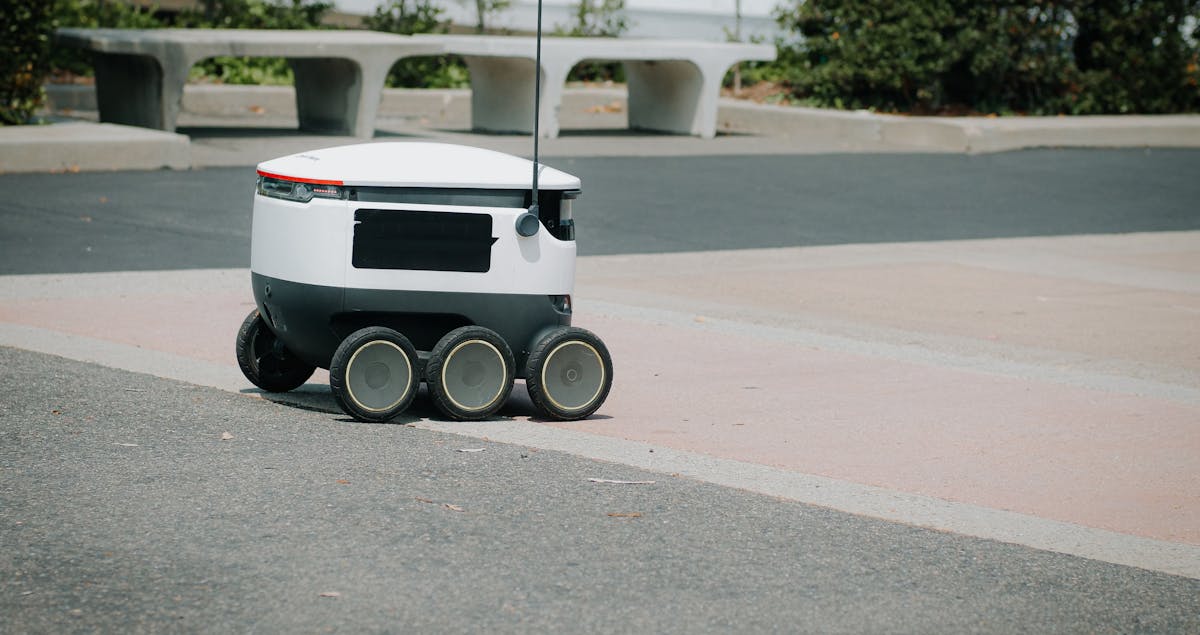
Governments and industry bodies now publish AI governance guidelines that emphasize transparency, fairness, and accountability. Companies must embed these principles into their development pipelines.
- Guideline Highlights:
- Algorithmic audit trails trace every decision node
- Bias detection modules that flag skewed outputs before deployment
- Human‑in‑the‑loop checkpoints for critical decisions
- Clear data‑privacy safeguards with zero‑knowledge proof mechanisms
These standards are reflected in the AI in 2025: The 7 Game‑Changing Innovations You Must Watch article, illustrating how compliance boosts public trust.
7. Adaptive AI Platforms for Education and Skill Development
Learning environments now leverage AI to create personalized curricula. From micro‑learning modules to full‑scale certification paths, AI systems adapt to progress, mastery, and real‑world skill gaps.
- Benefits for Workplaces:
- Accelerated onboarding: 30 % faster skill acquisition
- Dynamic skill mapping aligns employee growth with company strategy
- Continuous assessment provides managers with actionable insights
- Gamified progress tracks to boost motivation and retention
Educational tech giants and corporate training departments alike report significant ROI on these adaptive platforms, noting higher completion rates and better job‑performance correlations.
Comparison: Deep Reinforcement Learning vs. Traditional Optimization in Product Design

| Aspect | Deep Reinforcement Learning (2025) | Traditional Optimization (2020‑2024) |
|---|---|---|
| Simulation Scale | Millions of virtual trials in milliseconds | Hundreds, limited by computational cost |
| Adaptability | Real‑time policy updates as new data arrives | Static after initial model training |
| Human Input | Guided reward shaping; minimal manual intervention | Extensive manual tuning of objective functions |
| Outcome Uncertainty | Probabilistic confidence intervals inherent | Deterministic solutions, risk often underestimated |
FAQs: What You Need to Know About the AI Revolution of 2025
- How will AI‑enabled workflow automation affect my job?
Rather than replacing roles, these systems typically augment your daily work, handling repetitive tasks while you focus on strategic initiatives.
- What safeguards exist for AI ethics and governance?
In 2025, most major corporations adopt industry‑standard frameworks that mandate audit trails, bias mitigation, and mandatory human oversight for high‑stakes decisions.
- Can small businesses afford AI‑powered personal productivity tools?
Absolutely. Many solutions now offer freemium tiers or tiered pricing, ensuring that startups can start small and scale as they grow.
- Will AI diagnostics replace doctors?
No. AI diagnostics act as decision‑support tools, enhancing physician expertise rather than replacing the human judgment that remains essential.
In sum, the AI evolution of 2025 isn’t a distant fantasy—it’s a living, breathing landscape reshaping every facet of the workplace and personal life. By embracing these seven breakthroughs, you can stay ahead of the curve, driving innovation, efficiency, and ethical growth in the years ahead. Now is the time to equip yourself with the knowledge and tools that will define the future.